Family recipes are more than lists of ingredients and instructions. They often carry memories of holidays, neighbors, gardens, celebrations, and everyday meals shared around a crowded table. Yet many of these recipes are passed down informally, written on loose paper, or remembered only by one family member.
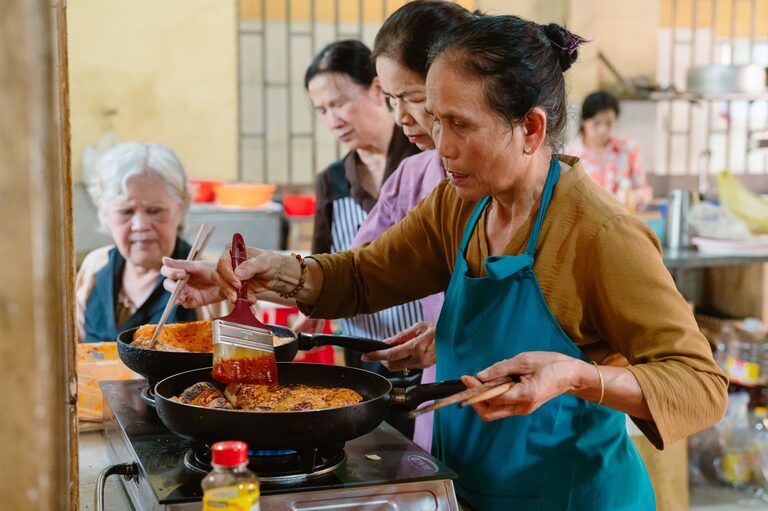
Women’s cooking clubs are helping protect this valuable part of local history. By gathering to cook, talk, and document traditional dishes, these groups keep recipes active and meaningful for future generations.
Cooking Clubs as Community Archives
A cooking club may meet in a community center, church kitchen, library, school, or member’s home. Some groups focus on a particular neighborhood or cultural tradition, while others welcome recipes from many backgrounds.
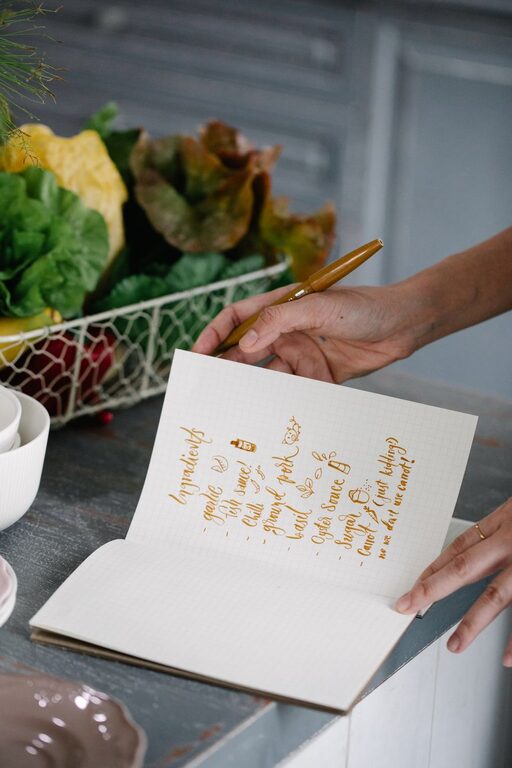
The club’s purpose is often simple: prepare food together and share knowledge. Over time, these meetings can become informal archives. Members bring recipes from their families, explain where the dishes came from, and record details that may not appear in a standard cookbook.
These details can include:
– The season when a dish was traditionally served
– The type of pan or cooking method used
– Common ingredient substitutions
– The story behind a recipe
– Tips learned from parents, grandparents, or neighbors
– Local ingredients connected to the dish
Recording this information gives each recipe greater context. Instead of preserving only a set of measurements, the club preserves the traditions surrounding the meal.
The Importance of Oral Knowledge
Many family recipes were never formally written down. A cook may have learned by watching a parent or relative prepare a dish, relying on appearance, smell, texture, or experience rather than exact measurements.
Instructions such as “add enough flour,” “cook until it looks right,” or “use a small handful of herbs” can be difficult for new cooks to follow. Cooking clubs create a space where members can translate this oral knowledge into clear, useful instructions without losing the character of the original recipe.
During club meetings, members may prepare the same dish several times and compare results. They can discuss questions such as:
– How soft should the dough be?
– Should the onions be lightly browned or deeply caramelized?
– Can fresh ingredients be replaced with dried ones?
– How was the dish adapted when certain ingredients were unavailable?
This process helps preserve both the original method and practical guidance for today’s kitchens.
Sharing Stories Alongside Recipes
A recipe becomes more memorable when it is connected to a person or place. Cooking clubs often encourage members to share stories while preparing food. One dish may recall a family wedding, a harvest gathering, a school fundraiser, or a grandparent’s kitchen.
These stories help explain why a recipe matters. They also show how food traditions change over time. A family may have adjusted a dish because of local ingredients, a new cooking tool, or the preferences of younger generations.
Clubs may collect stories through:
– Written member profiles
– Audio recordings
– Photographs of cooking sessions
– Interviews with older relatives
– Notes included in a community cookbook
– Recipe cards decorated with family memories
Including these personal details turns a collection of recipes into a broader record of community life.
Teaching Younger Generations
Cooking clubs play an important role in introducing traditional foods to children and young adults. Some groups invite younger family members to special meetings, while others partner with schools, libraries, or youth organizations.
Learning to prepare a family recipe gives younger cooks more than a practical skill. It can help them understand where a dish came from and how it connects them to relatives and neighbors.
A club might organize activities such as:
- A demonstration led by an experienced home cook
- A hands-on session where participants prepare the dish
- A tasting table featuring related recipes
- A discussion about ingredients and local history
- A take-home recipe card with space for notes
This approach makes tradition accessible. Young cooks are not simply told to preserve a recipe; they are shown how to use it, adapt it, and make it part of their own lives.
Creating Community Cookbooks
One of the most common projects for a cooking club is a community cookbook. Members contribute recipes, photographs, stories, and cooking tips. The finished book may be printed in small quantities, shared digitally, or sold to raise funds for a local project.
A well-organized cookbook often includes:
– A short introduction to the club
– Recipe categories such as breads, soups, desserts, and preserves
– Contributor names
– Family or neighborhood stories
– Notes about local ingredients
– Photographs from cooking sessions
– A glossary of unfamiliar terms or techniques
Before publishing, club members usually test recipes and check measurements. This step makes the recipes easier for others to follow while respecting the original contribution.
Some groups also keep a digital backup. Scanning handwritten cards and saving photographs can protect materials from damage or loss. Digital copies make it easier for relatives who live elsewhere to take part in the tradition.
Supporting Local Ingredients and Skills
Preserving recipes often leads to preserving other local practices. A dish may depend on a particular type of apple, bean, cornmeal, herb, or preserving method. When members discuss these connections, they help keep regional food knowledge visible.
Cooking clubs may invite local growers, bakers, fishers, gardeners, or food producers to speak about ingredients. They might also organize visits to farmers markets, community gardens, or seasonal food events.
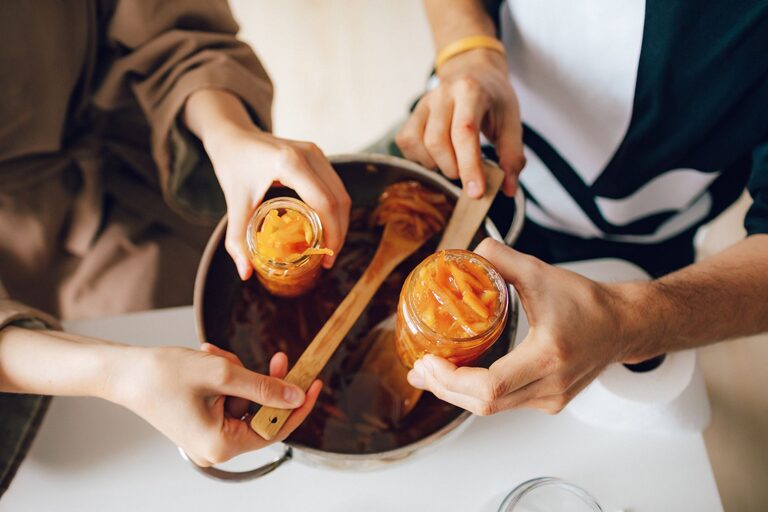
These activities show that a recipe is connected to a wider network. Preparing a traditional dish can encourage interest in planting, storing, baking, fermenting, or preserving food in familiar ways.
Adapting Recipes Without Losing Their Identity
Traditions remain strong when they can adjust to changing circumstances. Modern cooks may need to work with different kitchen equipment, dietary preferences, ingredient availability, or household sizes.
Cooking clubs can discuss these changes openly. Members may create alternate versions of a recipe while keeping its defining features. For example, they might offer a smaller batch, a baked variation, or a substitute for a hard-to-find ingredient.
The goal is not always to create one “correct” version. Family recipes often have many valid forms. Comparing variations can reveal how different households made the same dish their own.
A useful club record may include both the original method and updated notes. This preserves the history of the recipe while making it practical for current cooks.
Building Friendships Through Food
Perhaps the greatest strength of women’s cooking clubs is the community they create. Members share work, solve problems, exchange ideas, and support one another. Preparing food together can make conversations feel natural and welcoming.
For some participants, the club offers a regular connection to neighbors. For others, it provides a way to use skills that are not always recognized in formal settings. The group can also create opportunities for members from different generations and backgrounds to learn from one another.
Through these relationships, recipes continue to move from one person to the next. Each meeting adds another layer of knowledge, memory, and shared experience.
A Living Tradition
Women’s cooking clubs preserve family recipes by treating them as living traditions rather than fixed museum pieces. They write down instructions, record stories, teach younger cooks, and adapt dishes for new kitchens.
Their work shows that local food heritage can be protected through ordinary activities: gathering around a table, asking questions, measuring ingredients, and cooking side by side. Every documented recipe becomes a connection between the past and the future, helping families and communities keep their food stories alive.