A recipe is more than a list of ingredients and instructions. It can be a snapshot of a season, a reminder of a shared meal, or a connection to someone who taught you how to cook. Recipe journaling brings these details together, turning everyday meals into lasting memories.
Unlike a standard cookbook, a recipe journal leaves room for personal notes, stories, photographs, and small observations. It becomes a record of how food fits into your life—not just what you cooked, but why it mattered.
What Is Recipe Journaling?
Recipe journaling is the practice of recording recipes along with the experiences connected to them. You might write down a treasured family recipe, describe a successful dinner with friends, or note how you changed a dish to suit the ingredients you had on hand.
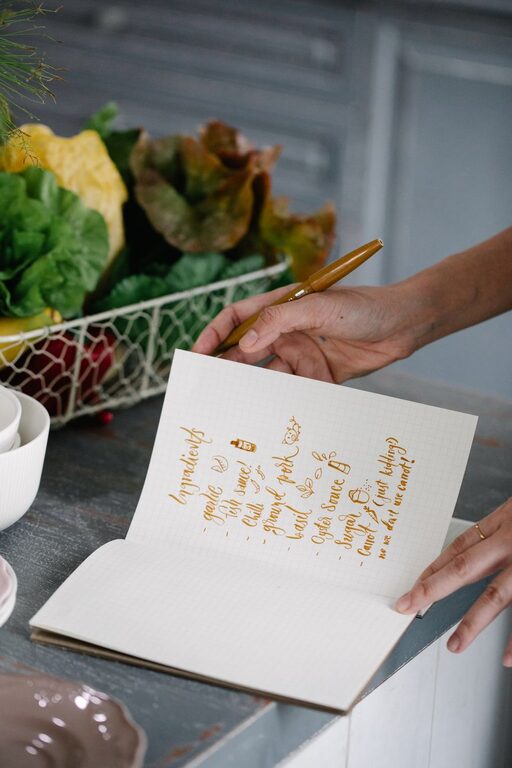
A recipe journal can be as simple as a notebook or as creative as a scrapbook. Some people use a dedicated cooking journal, while others combine handwritten pages, printed recipes, photos, and digital notes.
The goal is not perfection. The value comes from capturing details that might otherwise be forgotten.
You can include:
– The date and occasion
– Who shared or inspired the recipe
– Ingredients and cooking instructions
– Substitutions or adjustments
– Notes about the meal
– Photos, sketches, or decorations
– Comments from family and friends
Why Everyday Meals Are Worth Remembering
Special occasions naturally receive attention, but ordinary meals often carry their own meaning. A bowl of soup made during the first cold week of fall, pancakes prepared on a relaxed weekend, or a simple pasta dinner after a busy day can become part of your personal story.
Writing about these meals helps you notice the small moments that make them meaningful. You may remember who sat at the table, what conversation made everyone laugh, or how a familiar smell filled the kitchen.
Over time, these entries create a timeline of daily life. They show changing tastes, growing cooking skills, seasonal traditions, and the people who have shared your table.
What to Record in a Recipe Journal
You do not need to write a long essay for every recipe. A few thoughtful details can make an entry feel personal and complete.
Start With the Basics
Begin with practical information that will help you recreate the dish:
– Recipe name
– Date prepared
– Number of servings
– Preparation time
– Main ingredients
– Source of the recipe
If the recipe came from a person, include their name. If it came from a book, website, or cooking class, record that source as well.
Add the Story Behind the Dish
The story can be just a few sentences. Explain why you made the recipe or what was happening when you cooked it.
For example, you might write:
– “We made this on the first evening of our new apartment.”
– “Grandpa taught me this recipe during a summer visit.”
– “This became our favorite meal during the rainy season.”
– “We prepared this dish for a friend’s birthday.”
These notes give the recipe an emotional connection that ingredients alone cannot provide.
Describe the Result
Record what worked and what you would change next time. Be specific but casual.
You might note:
– The dish needed more time in the oven
– Fresh herbs improved the flavor
– The recipe made more servings than expected
– Children enjoyed it more with a milder seasoning
– The leftovers tasted even better the next day
These observations make future cooking easier while preserving the memory of that particular meal.
Turning Cooking Notes Into Stories
A recipe journal becomes especially meaningful when it includes sensory details. Think about what you saw, heard, smelled, tasted, or felt while preparing the meal.
Instead of writing, “We made vegetable soup,” you could write, “The kitchen smelled like roasted garlic while rain tapped against the windows. We ate the soup with warm bread and stayed at the table long after dinner.”
Details like these bring the moment back to life. They also help future readers imagine the setting, even if they were not there.
Consider describing:
– The color and texture of the food
– Sounds from the kitchen or dining table
– Weather and seasonal surroundings
– Special conversations
– Reactions from the people who tasted the meal
You do not need to be an experienced writer. Honest, specific observations are more valuable than polished language.
Building Family Connections
Recipe journaling can help preserve family knowledge. Many cooking traditions are passed along by memory, which means details can disappear when a relative stops cooking or a recipe is not written down.
Ask relatives about dishes they remember from childhood. Find out who taught them, when the food was served, and how the recipe has changed over time. Record their answers alongside the recipe.
You might include:
– A relative’s exact wording or cooking advice
– Traditional serving suggestions
– Stories about holidays or gatherings
– Regional ingredients
– Family nicknames for certain dishes
– Changes made by different generations
If possible, invite family members to write a note in the journal or contribute a recipe in their own handwriting. These personal touches can become valuable keepsakes.
Creative Ways to Personalize Your Journal
There is no single correct format for a recipe journal. Choose a style that fits your habits and interests.
Use Photos and Keepsakes
Add photos of the finished meal, the people who shared it, or the place where you cooked. You can also include small keepsakes such as a menu, a handwritten note, or a label from a favorite ingredient.
Mark Seasonal Recipes
Use simple symbols, colors, or page tabs to organize recipes by season. This makes it easy to find summer salads, autumn soups, holiday desserts, or meals that belong to a particular time of year.
Include Ratings and Reactions
Create a small section for comments from the people who tried the dish. A few words such as “family favorite” or “make again” can be useful and fun to read later.
Combine Digital and Paper Notes
A digital journal can be convenient for searching, storing photos, and updating recipes. A paper journal offers the charm of handwriting and physical keepsakes. You can use both by keeping a main digital collection and printing favorite entries for a notebook.
Making Recipe Journaling a Regular Habit
The easiest way to maintain a recipe journal is to keep the process simple. Set aside a few minutes after cooking to record the most important details while they are still fresh.
Try these habits:
- Keep your journal near your cooking space.
- Write a short entry instead of waiting for a perfect one.
- Record one memorable detail from each meal.
- Review older entries at the end of each month.
- Add favorite recipes to a special section.
- Invite others to contribute their memories.
You can also choose a regular journaling time, such as Sunday evening or the first day of each month. A consistent routine helps the practice become part of your cooking life.
The Lasting Value of a Recipe Journal
A recipe journal grows more valuable with time. At first, it may seem like a collection of cooking notes. After several months or years, it becomes a personal archive filled with changing seasons, familiar flavors, and shared experiences.
It can remind you of meals prepared in a former home, people who helped shape your cooking, and simple days that passed too quickly. It can also guide future meals by showing which recipes became favorites and which experiments are worth trying again.
Most importantly, recipe journaling encourages you to slow down and appreciate the experience of preparing and sharing food. Even a simple meal can hold a meaningful story. By writing that story down, you give it a place to last.