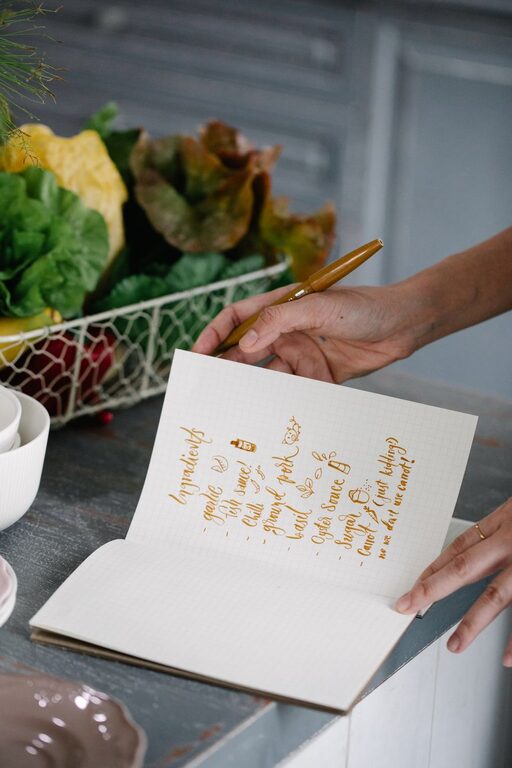
Handwritten recipe cards are finding a place in kitchens once again. In a world of food blogs, cooking apps, video tutorials, and voice assistants, a small card written by hand can feel surprisingly special.
Recipe cards are more than instructions. They often carry family stories, personal notes, and reminders of meals shared with people we care about. They may be tucked into a drawer, clipped to a refrigerator, or kept in a well-used box. Although digital tools make cooking convenient, handwritten recipes offer a slower and more personal experience.
Why Recipe Cards Are Making a Comeback
The renewed interest in handwritten recipes is part of a larger appreciation for simple, lasting objects. Many people enjoy using items that show signs of daily life rather than relying entirely on screens.
A handwritten card may include:
– A relative’s familiar handwriting
– A note about a favorite ingredient
– Adjustments made over several years
– A date or occasion connected to the dish
– A short memory about where the recipe came from
These details give the recipe character. A digital recipe can be saved, searched, and shared quickly, but a handwritten card often tells a story before the cooking even begins.
Handwritten cards can also make cooking feel more intentional. Instead of switching between tabs or trying to keep a phone away from spills, cooks can place one card on the counter and focus on the steps in front of them.
The Personal Meaning Behind a Recipe
Many recipe cards are connected to family traditions. A card might describe a holiday dessert, a weekend breakfast, or a simple meal prepared regularly during childhood. Even when the instructions are brief, the handwriting can bring back memories of a particular person or time.
Some cards are especially meaningful because they include small, informal details. A writer may use phrases such as “add a little more if needed” or “bake until it looks right.” These directions may not be precise, but they reflect the way many home cooks learn through observation and experience.
Recipe cards can also connect different generations. A grandparent may pass down a recipe to a child, who later adds their own notes before sharing it with someone else. Over time, the card becomes a record of how a dish has changed while remaining familiar.
Handwritten Recipes in a Digital Kitchen
Choosing handwritten recipes does not mean giving up modern technology. Many cooks combine both approaches.
A recipe may begin as a family card and then be scanned or photographed for safekeeping. A cook might use a digital timer while following instructions written on paper. Another person may print a recipe from a website, then add handwritten changes after making it several times.
This combination offers useful advantages:
– Digital copies help protect recipes from loss.
– Paper cards provide an easy-to-see cooking guide.
– Handwritten notes make it simple to record substitutions.
– Photos can preserve the appearance of an original card.
– Online tools can help organize recipes by category.
The goal is not to choose between old and new methods. Instead, cooks can use technology for storage and convenience while keeping handwritten cards for their personal value.
Designing a Practical Recipe Card Collection
A recipe card collection does not need to be large or expensive. A small box, binder, or folder can hold recipes in a way that is easy to use.
To create a practical collection, start with the recipes made most often. These might include:
– Family favorites
– Quick weeknight meals
– Baking recipes
– Holiday dishes
– Basic sauces and dressings
– Recipes for using seasonal ingredients
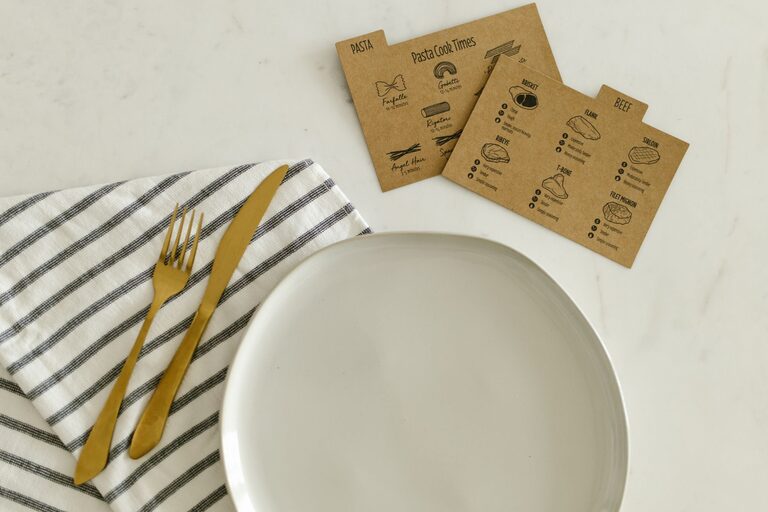
Use sturdy cards that can handle regular use. Index cards are a simple choice, while heavier card stock offers more space and durability. Clear sleeves can protect especially valuable cards from splashes and stains.
It also helps to organize cards with simple categories. Dividers labeled “Breakfast,” “Main Dishes,” “Baking,” and “Special Occasions” can make the collection easier to browse. For a smaller group of recipes, organizing them alphabetically may be enough.
What to Include on a Recipe Card
A useful recipe card should provide more than a list of ingredients. Clear information makes it easier to repeat the dish successfully.
Consider including:
Basic Details
Write the name of the recipe, the number of servings, and the preparation and cooking times. These details help cooks decide whether the recipe fits their schedule.
Ingredients and Steps
List ingredients in the order they are used whenever possible. Keep the instructions short and clear. If an ingredient needs to be divided, note how much is used at each stage.
Personal Notes
Add helpful observations, such as whether the dish freezes well, which pan works best, or how the texture should look before serving. These notes are often the most valuable part of a well-used recipe card.
Source and Date
Record where the recipe came from and when it was first written down. This information can add meaning and make it easier to remember the recipe’s history.
Making Recipe Cards a Shared Activity
Creating recipe cards can be an enjoyable project for families, friends, and community groups. Each person can choose a favorite dish and write it on a card. They can also include a short story about why the recipe matters.
For a shared collection, consider asking contributors to provide:
- The recipe name
- A list of ingredients
- Step-by-step instructions
- A personal memory or serving suggestion
- A photo, drawing, or small decoration
This process turns a collection of recipes into a record of shared experiences. It can also encourage people who are new to cooking to try familiar dishes in a welcoming way.
Caring for Older Recipe Cards
Older cards often show signs of use, including faded ink, stains, bent corners, and torn edges. These marks can be part of their charm, but careful storage can help prevent further damage.
Keep important cards away from direct sunlight, moisture, and heat. Store them in a cool, dry place rather than beside the stove or sink. If a card is especially fragile, place it in a protective sleeve and make a digital copy.
When copying an older recipe, preserve the original wording if possible. If some instructions are difficult to read, compare the card with other family notes or test the recipe carefully. Keep any new interpretation separate from the original so the history of the card remains clear.
A Small Tradition with Lasting Value
Handwritten recipe cards are returning because they offer something digital tools cannot fully replace: a visible connection between food, people, and memory. They are useful cooking tools, but they are also small pieces of personal history.
In today’s digital kitchen, a handwritten card can provide a welcome pause. It invites cooks to slow down, make notes, and add their own experiences to a recipe that may continue through many meals and generations. Whether kept in a family box or written for the first time, recipe cards remain a simple way to make cooking feel more personal.