
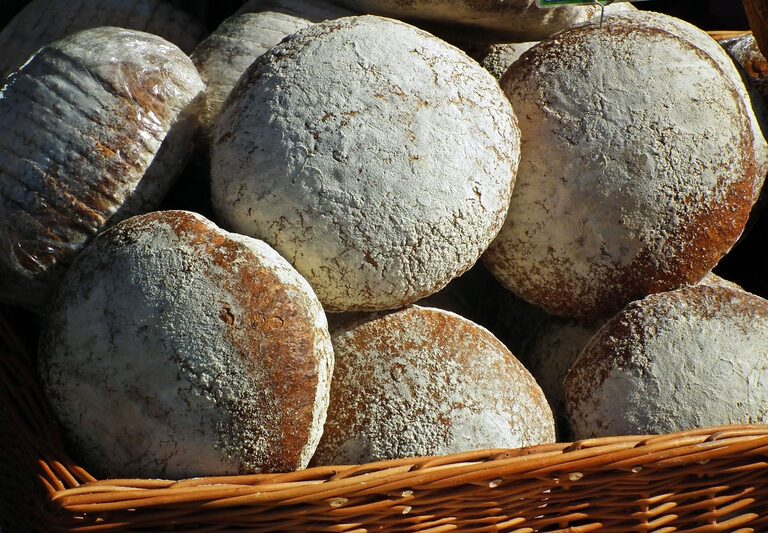
A Fresh Interest in an Old-Fashioned Craft
Traditional bread baking is finding new fans in kitchens around the world. While modern appliances and packaged mixes make baking faster, many people are returning to methods that rely on simple ingredients, careful timing, and hands-on work.
This renewed interest is not about rejecting convenience. Instead, it is about enjoying the process and discovering how much flavor can come from flour, water, salt, and a little patience. Traditional techniques also give bakers more control over texture, taste, and appearance.
From naturally fermented sourdough to hand-shaped loaves baked in cast iron, these methods offer a rewarding way to slow down and make something useful from scratch.
What Makes Traditional Bread Different?
Traditional bread baking often uses fewer ingredients and less specialized equipment than modern recipes. The focus is on understanding how dough behaves and allowing each stage to develop naturally.
Several features set these methods apart:
- Longer fermentation: Dough rests for several hours or overnight, allowing flavor to develop.
- Hand mixing and kneading: Bakers learn to recognize dough by its feel rather than relying only on timers.
- Natural leavening: Sourdough starters or small amounts of commercial yeast help dough rise.
- Simple shaping: Loaves are formed by hand, often creating rustic and individual results.
- Hot baking surfaces: A preheated stone, Dutch oven, or heavy baking sheet helps create a crisp crust.
These techniques may take more time, but they do not always require more active work. Much of the process involves waiting while the dough ferments or rests.
The Appeal of Slow Fermentation
One of the most popular traditional techniques is slow fermentation. Instead of adding a large amount of yeast and baking the dough quickly, bakers use less yeast and allow the dough to rise over a longer period.
This approach can create deeper flavor and a more interesting texture. The finished bread may have a chewy crust, an open crumb, and subtle notes that are difficult to achieve with a rushed recipe.
Slow fermentation also fits well into everyday routines. A baker can mix dough in the evening, let it rest overnight, and shape it the next morning. With a little planning, the process can become part of a regular schedule rather than a special project.
Getting Started With Overnight Dough
A basic overnight loaf usually includes flour, water, salt, and yeast. The dough is mixed until no dry flour remains, then covered and left at room temperature or placed in the refrigerator, depending on the recipe.
The next day, the dough is shaped and given time for a final rise before baking. Beginners should avoid adding extra flour too quickly. Wet dough can feel difficult at first, but gentle handling often produces a lighter loaf.
Sourdough and the Return of Natural Starters
Sourdough has become a familiar sight in home kitchens, but the technique itself is centuries old. Instead of using commercial yeast alone, sourdough bread relies on a starter made from flour and water. The starter contains naturally occurring yeasts and helpful bacteria that create fermentation.
Maintaining a starter requires regular feeding, but many bakers enjoy the routine. It becomes a living part of the kitchen and can be used in bread, pancakes, crackers, and other recipes.
For new bakers, sourdough may seem complicated. In practice, the main challenge is learning how a starter looks and smells when it is ready to use. A healthy starter is active, bubbly, and able to help dough rise.
Why Sourdough Attracts New Bakers
Sourdough combines tradition with creativity. Bakers can adjust the flour, hydration, fermentation time, and shaping method to create different styles of bread.
It also encourages observation. Instead of following a recipe by the clock alone, bakers watch for signs such as volume, bubbles, elasticity, and aroma. This hands-on learning process can make each loaf feel like a small experiment.
Simple Tools Are Often Enough
Traditional bread baking does not require a large collection of equipment. Many bakers begin with tools already found in the kitchen.
Useful items include:
- A large mixing bowl
- A kitchen scale
- A dough scraper
- A clean kitchen towel or reusable cover
- A sharp knife or bread lame for scoring
- A heavy baking sheet, Dutch oven, or baking stone
A kitchen scale is especially helpful because flour can vary greatly when measured by volume. Weighing ingredients makes recipes more consistent and helps bakers understand the balance between flour and water.
A Dutch oven is another popular choice. Its covered design traps steam during the early part of baking, helping the loaf expand and develop a shiny, crisp crust.
Learning to Read the Dough
One reason traditional bread baking is attracting attention is that it teaches useful kitchen skills. Bakers gradually learn to read dough through touch and appearance.
Dough may feel sticky at the beginning and become smoother as it rests. A properly fermented dough often looks fuller and may show bubbles beneath the surface. If it is left too long, it can become weak and difficult to shape.
These details can seem confusing at first, but they become easier with practice. Keeping notes can help. Record the flour used, room temperature, fermentation time, and final result. Over time, these observations make it easier to adjust future batches.
Common Mistakes and How to Avoid Them
Traditional methods are forgiving, but a few common mistakes can make the process harder.
Rushing the Fermentation
Bread dough needs time to develop. If a loaf seems dense, it may need a longer rise. Room temperature, flour type, and the amount of yeast can all affect timing.
Adding Too Much Flour
Extra flour can make dough easier to handle but may produce a heavy loaf. Try using lightly wet hands or a dough scraper instead of immediately adding more flour.
Cutting Into the Loaf Too Soon
Fresh bread continues to set after it leaves the oven. Waiting until it has cooled for at least a short time helps preserve the crumb and makes slicing easier.
Expecting Every Loaf to Look the Same
Handmade bread will vary. Differences in shaping, fermentation, and oven temperature are part of its character. A loaf does not need to look perfect to taste good.
Why the Tradition Feels Modern Again
The renewed interest in traditional bread baking reflects a broader appreciation for practical, hands-on hobbies. People are drawn to activities that produce something tangible and encourage a break from screens and busy schedules.
Bread baking also offers room for personal expression. Bakers can choose whole-grain flour, add seeds, create small rolls, or shape dough into decorative loaves. Each variation builds on the same basic techniques.
Most importantly, traditional bread baking is accessible. A first loaf may be uneven, but every attempt teaches something new. With a few simple ingredients and regular practice, beginners can develop confidence and create bread that feels personal.
A Timeless Skill for Today’s Kitchen
Traditional bread-baking techniques continue to attract new fans because they combine simplicity, patience, and creativity. Whether the goal is a crisp country loaf, a tangy sourdough, or a soft family recipe, the process offers more than a finished product.
It creates a connection to older baking traditions while fitting naturally into modern life. Start with a straightforward recipe, pay attention to the dough, and give the process time. The result may be a better loaf—and a new favorite kitchen habit.