
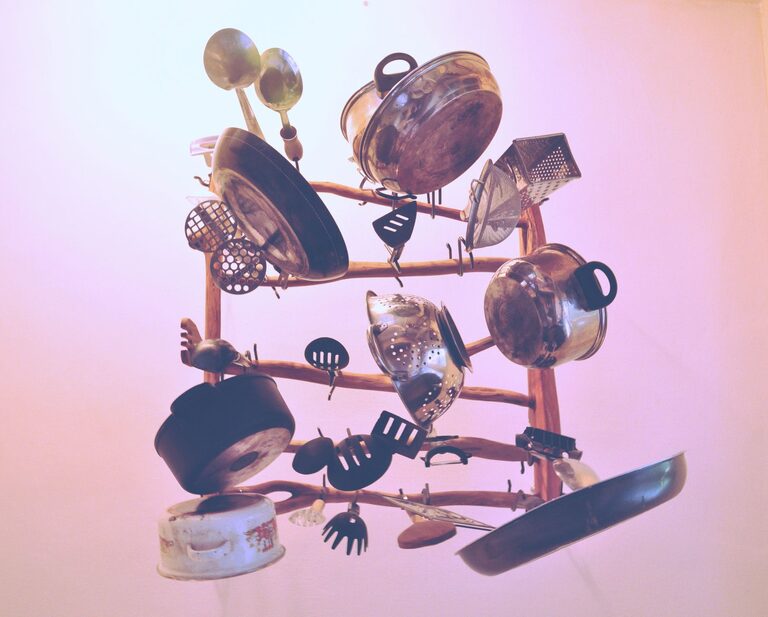
Vintage kitchen tools are finding a place in modern homes again. From hand-crank can openers and wooden rolling pins to cast iron pans and mechanical egg beaters, these items offer more than a nostalgic appearance. They often combine practical design, durable materials, and a slower approach to cooking.
While many vintage tools were made decades ago, their appeal fits several current interests: reducing waste, choosing long-lasting products, decorating with character, and preparing food with fewer electronic devices. Some tools are useful for everyday cooking, while others are displayed as reminders of an earlier era.
A Return to Simple, Practical Design
Many older kitchen tools were created to perform one main task. A manual citrus juicer was designed to extract juice. A pastry blender was made to cut butter into flour. A wooden spoon was built for stirring, folding, and scraping.
This straightforward approach is attractive in kitchens filled with appliances that may perform several functions at once. Vintage tools are usually easy to understand and operate. They do not require a power source, complicated settings, or a digital manual.
Simple design can also make cooking feel more direct. Using a hand whisk, for example, gives the cook a better sense of texture and consistency. A manual tool may take more time, but that extra effort can become part of the cooking experience.
Durability and Long-Term Use
Older kitchen tools are often associated with sturdy materials such as:
– Stainless steel
– Cast iron
– Solid wood
– Thick glass
– Enamel-coated metal
– Aluminum
Many of these materials can withstand frequent use when they are cleaned and maintained properly. A well-made tool may remain useful for decades, which helps explain why vintage pieces are often passed from one generation to another.
Modern shoppers are also paying more attention to how long household products are likely to last. A durable tool can be appealing because it may not need to be replaced as often as a lightweight or disposable alternative. This does not mean every old item is automatically better. Condition, construction, and safe use still matter. However, the reputation of older tools for solid workmanship contributes strongly to their renewed popularity.
Nostalgia and Emotional Connection
A major part of the vintage kitchen trend is emotional. Many people remember seeing certain tools in a parent’s or grandparent’s kitchen. A hand mixer, ceramic baking dish, or metal cookie press may bring back memories of family meals, holiday baking, or learning to cook.
Even when people did not grow up with these items, vintage tools can create a sense of connection to the past. Their shapes, colors, and materials often suggest a time when kitchen objects were designed to be visible and used for many years.
This emotional appeal can make an ordinary object feel meaningful. A vintage tool may not be the fastest option, but it can add a personal story to a kitchen. Collectors may search for a particular brand, color, or design because it reminds them of a specific period or family tradition.
Character in Kitchen Decor
Vintage tools are popular not only because they work well but also because they look distinctive. Older kitchen items often have details that are less common in newer products, including:
– Bright enamel colors
– Rounded handles
– Decorative lettering
– Textured surfaces
– Unusual shapes
– Natural signs of age
These features can add warmth and personality to a kitchen. A collection of wooden utensils in a ceramic container, for example, can serve as both a practical arrangement and a decorative display. Copper molds, old scales, and colorful mixing bowls may be placed on open shelves where they become part of the room’s design.
Vintage style also works with many decorating approaches. A single old-fashioned item can soften a modern kitchen, while a larger collection can support a farmhouse, cottage, retro, or traditional look.
Interest in Low-Tech Cooking
Many home cooks enjoy tools that work without electricity. Manual kitchen equipment can be useful during outdoor cooking, travel, or power outages, but its appeal extends beyond those situations.
Using a mortar and pestle, box grater, rolling pin, or hand-crank food mill can encourage a slower pace. These tools make common tasks feel more hands-on and visible. They can also be useful for people who want to reduce the number of small appliances stored in their kitchens.
Low-tech cooking does not mean rejecting modern equipment. Instead, it gives cooks more choices. Someone may use a stand mixer for a large batch of dough and a vintage whisk for a smaller recipe. The balance depends on the task, available time, and personal preference.
Sustainability and Thoughtful Consumption
The renewed interest in vintage tools is also connected to more thoughtful shopping habits. Buying a secondhand item gives an existing product another period of use. It can also reduce the demand for short-lived replacements and keep usable objects out of the waste stream.
Vintage shopping encourages people to consider quality before convenience. Rather than buying several inexpensive tools, a shopper may look for one well-made item that serves a clear purpose. Repairing, cleaning, or restoring an older tool can also be more satisfying than replacing it immediately.
The environmental benefits vary from item to item. A secondhand tool still needs to be transported, cleaned, and maintained, and not every old product is suitable for regular food preparation. Even so, choosing durable, reusable objects is part of a broader interest in making household purchases last longer.
The Appeal of Collecting
Some people use vintage kitchen tools every day, while others collect them. Collectors may focus on a particular category, such as baking equipment, coffee accessories, utensils, or kitchen advertising.
The search itself can be enjoyable. Flea markets, estate sales, antique stores, and online marketplaces often provide opportunities to find unusual items. Each purchase may involve learning about a manufacturer, production period, material, or original purpose.
A collection does not need to be large. A few carefully chosen pieces can have more value to the owner than a crowded display. Collectors often look for items that are attractive, functional, historically interesting, or connected to a personal memory.
What to Check Before Buying
Not every vintage kitchen tool is ready for use. Before purchasing one, inspect it carefully.
Check the Material
Look for cracks, deep rust, peeling coatings, or damaged handles. Wooden tools should not have severe splitting or soft, weakened areas. Glass should be free from chips, especially around rims and edges.
Consider Cleaning
Some items can be washed easily, while others need careful cleaning. Avoid using harsh methods that could damage finishes, printed designs, or natural materials. If an item has an unknown coating or cannot be cleaned thoroughly, it may be better suited for display.
Look for a Clear Purpose
A tool can be attractive without being practical. Consider whether it fits your cooking habits and storage space. Choosing items you will actually use helps prevent a collection from becoming clutter.
Use Older Electrical Items Carefully
Vintage electric appliances may have aging cords, plugs, or internal parts. They should be inspected by a qualified professional before regular use. A decorative appliance can still be enjoyed without being connected to power.
Why the Trend Is Likely to Continue
Vintage kitchen tools appeal to several lasting preferences: durability, personal style, hands-on cooking, and a connection to everyday history. They offer an alternative to products designed mainly for convenience or quick replacement.
Their popularity is not based on one feature alone. A vintage tool may be useful, attractive, memorable, and well made at the same time. That combination gives it a place in both working kitchens and decorative spaces.
As more people look for meaningful objects with practical value, older kitchen tools are likely to remain popular. Whether used to prepare a family recipe, displayed on an open shelf, or found at a weekend market, these items show how good design can continue to serve people long after its original era has passed.