
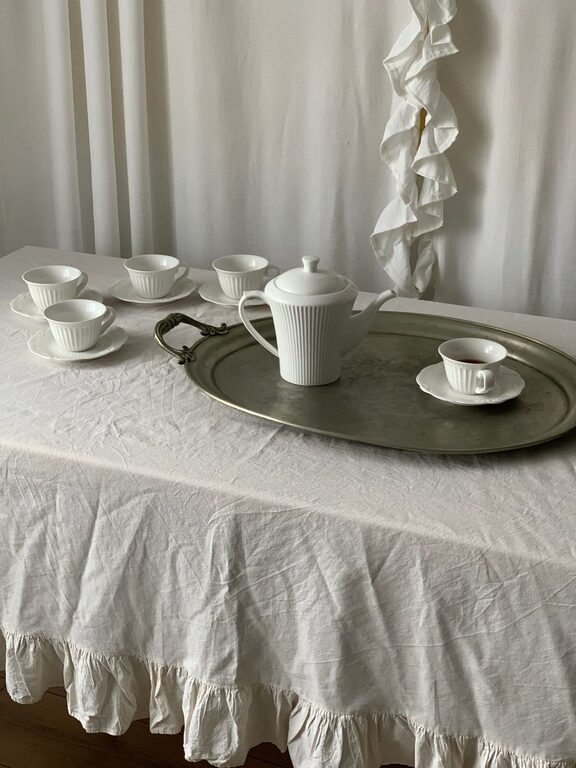
Hosting an afternoon tea at home is a charming way to gather friends and family. It does not need to be formal, expensive, or complicated. With a thoughtful menu, a comfortable table, and a relaxed plan, you can create a memorable occasion in your own space.
Afternoon tea usually includes tea, small sandwiches, baked treats, and desserts served in individual portions. The format is flexible, so you can adjust it to suit your guests, kitchen, budget, and available time.
Choose a Simple Theme
Before planning the menu, decide what kind of atmosphere you want. A traditional tea might include fine china, tiered serving stands, and classic sandwiches. A casual version could use everyday dishes, colorful napkins, and a mix of homemade and store-bought food.
A simple theme can help guide your choices. Consider:
– A classic English tea with cucumber sandwiches and scones
– A garden-inspired tea with floral decorations and fresh fruit
– A seasonal tea using ingredients such as berries, apples, or citrus
– A birthday or celebration tea with a small cake
– A casual weekend tea with tea, pastries, and easy snacks
You do not need matching dishes or decorations. A coordinated color scheme, such as blue and white or soft pastels, can make mixed items look intentional.
Plan the Guest List and Timing
Afternoon tea works well for a small group because the food is usually prepared and served in small portions. For a first gathering, four to six guests can be a comfortable number.
Choose a start time that allows you to prepare without rushing. A tea held between 2:00 and 4:00 p.m. is traditional, although any convenient afternoon time works. Allow about two hours for the gathering.
When inviting guests, mention the style of the event and ask about dietary preferences or food allergies. This helps you plan a menu that everyone can enjoy. If you are serving tea with caffeine, offer at least one caffeine-free option as well.
Build the Menu
A balanced afternoon tea usually has three parts: savory foods, scones or other baked goods, and sweets. You do not need a large selection. Two or three choices in each category are usually enough.
Savory Foods
Small sandwiches are a classic choice. Remove the crusts if you want a more traditional presentation, then cut each sandwich into fingers, triangles, or small squares.
Popular fillings include:
– Cucumber with cream cheese and herbs
– Egg salad with a little mustard
– Chicken salad with grapes or celery
– Smoked salmon with cream cheese
– Ham and cheese with a mild spread
– Tomato and mozzarella with fresh basil
Prepare sandwiches as close to serving time as possible so the bread stays fresh. If you need to make them earlier, cover them with a slightly damp paper towel and plastic wrap, then refrigerate them.
You can also add savory alternatives such as mini quiches, vegetable tarts, cheese biscuits, or crackers with spreads. Choose foods that can be eaten easily without a knife and fork.
Scones and Spreads
Scones are often the centerpiece of an afternoon tea. Serve them plain, with raisins, or with another simple addition such as dried cranberries or lemon zest.
Offer a few spreads, such as:
– Butter
– Jam or preserves
– Lemon curd
– Whipped cream
– Clotted cream, if available
Scones are best served slightly warm. Bake them on the day of the event when possible. If you are short on time, purchase high-quality bakery scones and warm them gently before serving.
Sweets
Finish the menu with small desserts. Variety is more important than quantity. Consider mini cupcakes, shortbread, fruit tarts, brownies, macarons, or slices of loaf cake cut into small pieces.
Fresh fruit adds color and a lighter option. Strawberries, grapes, berries, and orange slices are easy to arrange and serve. If you are preparing several desserts, make at least one item that can be completed a day ahead.
Select the Tea
Tea is the main drink, so offer a few choices rather than trying to provide too many.
A basic selection might include:
– Black tea, such as English breakfast or Earl Grey
– Green tea
– Herbal tea, such as peppermint or chamomile
– Decaffeinated black tea
Provide hot water in a kettle or teapot and allow guests to choose their tea. Set out milk, lemon slices, sugar, honey, and spoons. If you are serving several types, label the tea containers so guests can easily identify them.
You can also offer iced tea, sparkling water, lemonade, or coffee. These additions are especially useful for guests who do not drink hot tea.
Set the Table
A well-organized table makes the event feel special. Start with a clean tablecloth, runner, or set of placemats. Then arrange the dishes so guests can serve themselves comfortably.
Each place setting may include:
– A small plate
– A cup and saucer or mug
– A fork and teaspoon
– A napkin
– A water glass
Place savory foods on one platter and sweets on another. If you have a tiered stand, use it to display sandwiches, scones, and desserts at different levels. If not, use cake stands, bowls, wooden boards, or sturdy plates.
Keep serving utensils near each dish. Small tongs, spoons, and cake servers make it easier for guests to help themselves. Place the teapot and hot water where they can be reached safely, but avoid crowding the table.
Add Simple Decorations
Decorations should support the meal without taking over the table. A small vase of flowers, a bowl of fruit, or a few candles can create an inviting setting.
Keep centerpieces low so guests can see one another. Fresh herbs, seasonal flowers, or greenery from your garden can work well. Cloth napkins or paper napkins in a coordinating color add an easy finishing touch.
Background music can also set the mood. Choose quiet instrumental music or another style that allows conversation to remain the focus.
Create a Preparation Schedule
A simple schedule can reduce last-minute stress.
One or Two Days Before
– Confirm the guest list and check dietary needs
– Choose the menu and write a shopping list
– Purchase tea, drinks, and shelf-stable ingredients
– Bake items that keep well, such as shortbread or loaf cake
– Wash serving dishes and check that you have enough cups and plates
The Morning Of
– Prepare spreads, fillings, and desserts
– Wash and cut fruit
– Arrange decorations
– Chill drinks
– Set out serving dishes and utensils
One Hour Before
– Bake or warm the scones
– Assemble the sandwiches
– Set the table
– Fill the kettle or prepare the teapot
– Put milk, sugar, lemon, and other additions in serving bowls
Wait until shortly before guests arrive to pour hot tea and place delicate foods on the table.
Welcome Guests and Keep Things Relaxed
When guests arrive, offer them a drink and explain the menu if needed. You can serve the first round of tea, then let guests choose additional cups throughout the afternoon.
There is no required order for eating, but many people begin with savory foods, move to scones, and finish with sweets. Let guests serve themselves or pass the dishes around the table.
As the host, focus on conversation rather than perfection. If a dish does not turn out exactly as planned, offer it with confidence or replace it with something simple. Guests are more likely to remember the warm atmosphere than small details.
Final Tips for a Successful Tea
– Keep portions small so guests can sample several foods.
– Prepare at least one item ahead of time.
– Include both familiar and caffeine-free drink options.
– Avoid overcrowding the table.
– Use what you already own instead of buying special equipment.
– Clearly label foods with common allergens when appropriate.
– Set aside a quiet place for coats and bags.
– Keep extra hot water and napkins available.
An afternoon tea at home is less about formality and more about creating time to connect. With a manageable menu, thoughtful preparation, and a welcoming table, even a first-time host can create an enjoyable afternoon for everyone.