A Fresh Interest in an Old Kitchen Skill
Community canning workshops are becoming popular with home cooks who want to preserve seasonal produce, reduce food waste, and learn practical kitchen skills. These gatherings bring people together to prepare foods such as tomatoes, pickles, jams, fruit, sauces, and vegetables.
While home canning has been practiced for generations, the knowledge is not always passed down within families. A workshop gives beginners a chance to learn in person, ask questions, and gain confidence before trying the process at home.
The appeal is not only about filling jars. Community canning offers a combination of hands-on learning, seasonal cooking, and social connection.
Why More Home Cooks Are Joining
Several trends have helped canning workshops attract new participants.
Seasonal cooking
Many people enjoy buying produce when it is at its freshest and most affordable. A large harvest of tomatoes, peaches, apples, or cucumbers can be difficult to use all at once. Canning provides a way to preserve some of that seasonal abundance for later.
Workshops often take place during local harvest seasons, making the experience timely and practical. Participants may work with produce from nearby farms, community gardens, or farmers markets.
Reducing food waste
Canning can help home cooks use extra produce instead of allowing it to spoil. Slightly imperfect fruits and vegetables may be suitable for certain recipes, provided they are clean, fresh, and prepared according to reliable instructions.
The process also encourages people to plan meals around what they already have. A jar of preserved fruit, salsa, or pickled vegetables can become a useful ingredient months after it was prepared.
Learning with guidance
Canning involves more than placing food in a jar. Home cooks need to understand preparation, acidity, processing methods, jar care, storage, and sealing. Workshops make these details easier to understand because instructors can demonstrate each step.
For beginners, this hands-on support can be more useful than reading instructions alone. Participants can see how equipment works, practice filling jars, and learn how to identify common mistakes.
Building community
A workshop creates a natural setting for conversation. People often share family recipes, gardening tips, serving ideas, and stories about foods they remember from childhood.
The group environment can also make a technical activity feel approachable. Beginners may be more comfortable asking questions when they realize that other participants are learning, too.
What Happens at a Community Canning Workshop?
Each event is different, but most workshops follow a similar structure.
An introduction to equipment
Instructors usually begin by explaining the basic tools. These may include canning jars, lids, bands, jar lifters, wide-mouth funnels, large pots, measuring tools, and racks.
Participants learn why each item is used and how to inspect jars before filling them. Small details, such as avoiding chips or cracks and using the correct lids, are often covered early in the session.
Recipe and method selection
A good workshop uses recipes from dependable sources and matches the method to the food being prepared. Some foods are processed in a boiling-water canner, while others require a pressure canner.
The correct method depends on the food’s characteristics and the tested recipe. Instructors may also explain why recipe changes can affect processing results. For example, changing the amount of an ingredient, reducing acidity, or altering the size of food pieces may not be suitable for every canning recipe.
Hands-on preparation
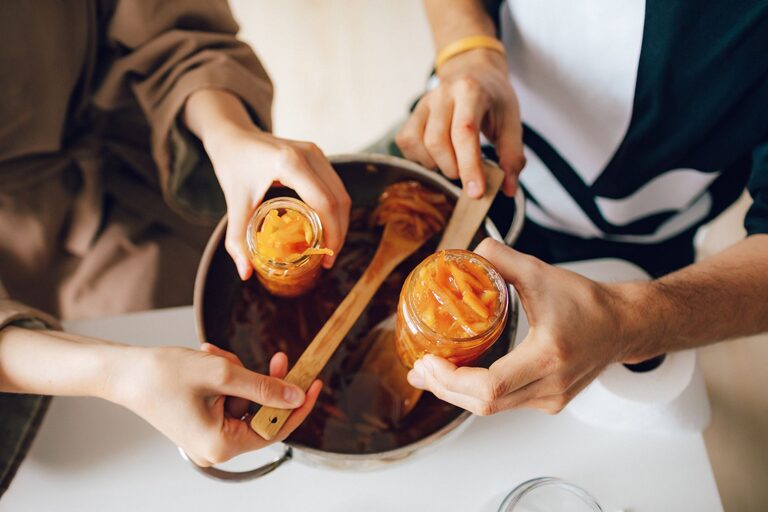
Participants may wash and cut produce, measure ingredients, prepare jars, and fill containers. The instructor typically demonstrates how to leave the recommended headspace and remove visible air bubbles when required.
The jars are then processed using the method and time specified by the recipe. Watching the process from start to finish helps participants understand how preparation and processing work together.
Cooling and inspection
After processing, jars need time to cool undisturbed. Workshop leaders often explain how to check seals, label jars, and identify any containers that should not be stored.
Labels may include the product name and preparation date. This simple habit makes it easier to use older jars first and keep track of different recipes.
The Importance of Reliable Information
One of the most valuable parts of a community workshop is learning how to find trustworthy canning instructions. Participants should look for recipes and guidance from sources such as university extension programs, public food safety organizations, or established canning education groups.
Reliable instructions typically account for:
– The type and acidity of the food
– The size and shape of the pieces
– The jar size
– The processing method
– Processing time
– Elevation adjustments
– Cooling and storage recommendations
Recipes found in old family notebooks can be meaningful, but they may not include details needed for modern home canning. A workshop can help cooks preserve family traditions while checking that the methods are appropriate for the specific food.
Making Workshops More Welcoming
Successful programs often provide more than a demonstration. They create an environment where people with different experience levels can participate comfortably.
Helpful features may include:
– Small groups with shared equipment
– Clearly printed recipes
– Demonstrations before hands-on work
– Options for beginners and returning participants
– Time for questions
– Samples or serving suggestions
– Take-home resource lists
– Accessible locations and reasonable fees
Some workshops are hosted by libraries, community centers, gardening groups, farms, schools, or local food organizations. Others are organized as seasonal events or neighborhood gatherings.
How to Get the Most from a Workshop
A little preparation can make the experience more useful. Before attending, participants may want to ask what equipment and ingredients are included. It is also helpful to find out whether attendees will take home finished jars or simply practice the process.
During the class, take notes on details that are easy to forget, such as headspace, processing time, and storage instructions. Ask questions about the recipes rather than relying on memory.
After the workshop, begin with a recipe that matches the equipment available at home. Starting with a small batch can make the process less overwhelming and provide a chance to practice.
A Skill That Connects Past and Present
The rise of community canning workshops reflects a broader interest in practical, hands-on food skills. Home cooks are looking for ways to enjoy seasonal ingredients, make better use of what they buy, and spend time learning with others.
Canning may have deep roots, but workshops give the tradition a modern setting. They combine reliable instruction with the pleasure of shared work, helping more people discover that preserving food can be both useful and enjoyable.
For many participants, the first workshop is only the beginning. One batch of jam, pickles, or fruit can lead to new recipes, seasonal traditions, and a stronger connection to the food on the table.