
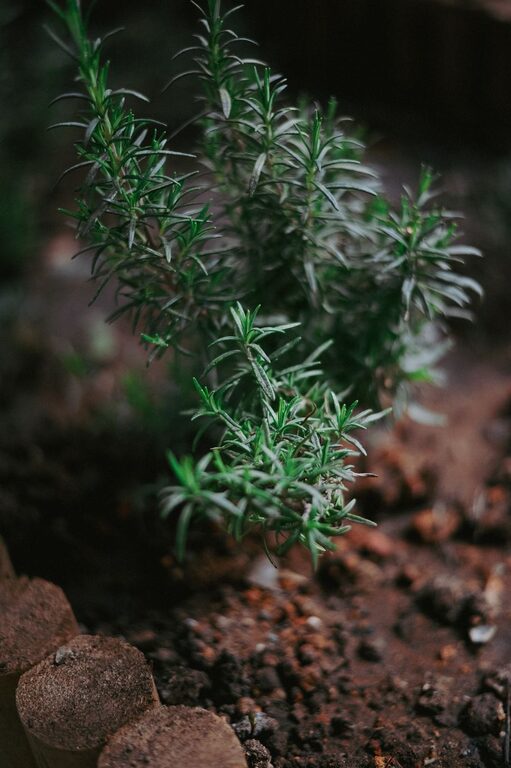
Fresh herbs can make everyday meals taste brighter, but you do not need a large yard to grow them. A few pots on a sunny windowsill, balcony, patio, or kitchen shelf can provide a steady supply of flavorful ingredients. Small herb gardens are practical, attractive, and easy to customize for your cooking habits.
Whether you are new to gardening or simply short on space, growing herbs at home is a rewarding project. With the right containers, light, soil, and care, you can enjoy fresh leaves whenever you need them.
Choose Herbs You Will Actually Use
The best small herb garden starts with herbs that match your favorite meals. Instead of planting a large selection, begin with three to five varieties you are most likely to use.
Consider these popular choices:
– Basil: Great for pasta, salads, sandwiches, and sauces
– Parsley: Useful in soups, roasted vegetables, salads, and garnishes
– Cilantro: A favorite for salsas, tacos, rice dishes, and fresh salads
– Mint: Refreshing in drinks, fruit salads, and desserts
– Chives: Mildly onion-flavored and useful in eggs, potatoes, and dips
– Thyme: Works well with roasted vegetables, poultry, beans, and soups
– Rosemary: Adds bold flavor to potatoes, breads, and roasted dishes
– Oregano: A natural choice for pizza, tomato sauces, and Mediterranean recipes
It is also helpful to know which herbs grow quickly and which take more time to establish. Basil, cilantro, parsley, and chives can provide useful harvests relatively soon. Rosemary, thyme, and mint may grow steadily but often need more room over time.
Pick the Right Location
Most culinary herbs need plenty of light. A location that receives at least six hours of sunlight each day is a strong starting point. A bright south- or west-facing window often works well indoors, while balconies and patios may offer even more growing space.
Watch how sunlight moves through your home during the day. A window that looks bright in the morning may receive little direct light later. If natural light is limited, a small indoor grow light can help herbs stay healthy and productive.
Airflow is important, too. Herbs should not be crowded tightly against a wall or packed together so closely that moisture remains on their leaves. Good air movement can help prevent common problems such as weak growth and mold.
Keep indoor herbs away from cold drafts, heating vents, and appliances that produce heat. Sudden temperature changes can stress plants, especially when they are grown in small containers.
Select Containers That Encourage Healthy Growth
Almost any container can become an herb planter if it has drainage holes. Excess water needs a way to escape, or roots may remain too wet and begin to decay.
Useful container options include:
– Small clay or ceramic pots
– Window boxes
– Hanging planters
– Recycled containers with drainage holes
– Vertical wall planters
– Long rectangular planters for several compatible herbs
Choose a container based on the mature size of the plant. Small herbs can begin in modest pots, but larger varieties such as rosemary may eventually need more room. A pot that is too small can dry out quickly and restrict root growth.
If you place containers on a windowsill, check their width and weight first. Water-filled pots can be heavier than expected. Use a tray beneath each container to protect surfaces from moisture, while making sure the pots do not sit in standing water.
Use Well-Draining Soil
Standard garden soil is often too dense for containers. Instead, use a quality potting mix designed for container plants. It should hold enough moisture for roots while allowing excess water to drain.
You can improve the growing mix by blending in a small amount of compost, but avoid adding too much. Herbs generally grow well without heavy feeding, and overly rich soil can encourage lots of soft growth with less concentrated flavor.
Fill containers nearly to the top, leaving a little space so water does not spill over the sides. Plant herbs at the same depth they were growing in their original nursery containers. Press the soil gently around the roots, then water thoroughly.
Group Herbs With Similar Needs
A shared planter can save space, but not all herbs prefer the same conditions. Grouping plants with similar watering and light needs makes care easier.
Herbs that enjoy more moisture
Basil, parsley, cilantro, and mint generally prefer soil that stays lightly moist. They should not be allowed to dry out completely, especially in warm weather.
Herbs that prefer drier conditions
Rosemary, thyme, oregano, and sage usually prefer a more moderate watering routine. Let the surface of the soil dry slightly between waterings, and make sure the container drains well.
Mint is best grown in its own container because it spreads quickly. Keeping it separate makes it easier to control and prevents it from crowding slower-growing herbs.
Water With Care
Small containers can dry out faster than garden beds, so check them regularly. Touch the surface of the soil with your finger. If the top inch feels dry, it may be time to water.
Water slowly until a little moisture drains from the bottom of the pot. This helps moisten the entire root area rather than just the surface. Empty excess water from trays after a short time.
Avoid watering on a strict schedule without checking the soil. Indoor conditions, sunlight, container size, and weather all affect how quickly plants dry out. During hot periods, outdoor herbs may need water more often. In cooler or darker conditions, they may need less.
Harvest Often, But Harvest Correctly
Regular harvesting encourages many herbs to produce fresh growth. Use clean scissors or pinch leaves gently with your fingers.
For leafy herbs such as basil, cut just above a pair of leaves rather than removing only the largest leaves. This encourages the plant to branch. When harvesting parsley, snip stems close to the base instead of taking only the top leaves.
Chives can be trimmed a few inches above the soil. Thyme, oregano, and mint can be clipped as needed, but avoid removing more than about one-third of the plant at one time.
Harvest in the morning, after any surface moisture has dried. Freshly picked herbs can be used immediately, stored briefly in the refrigerator, or preserved for later use.
Keep the Garden Productive
A small herb garden benefits from simple, regular maintenance. Remove yellow leaves, spent flowers, and damaged growth. Flowering can change the flavor of some herbs, so pinch off flower buds if you want the plant to focus on leaves.
Rotate indoor pots every few days so all sides receive light. If a plant becomes tall and weak, it may need more sunlight or a light trim. Turn containers slightly when watering to check for pests and uneven growth.
Planting a few seeds every several weeks can provide a continuous supply of fast-growing herbs such as basil, cilantro, and dill. This method, called succession planting, helps replace older plants as they become less productive.
Make Herbs Part of Your Kitchen Routine
The easiest way to enjoy a small herb garden is to use it often. Add chopped chives to scrambled eggs, fresh basil to sandwiches, or parsley to roasted vegetables. A few mint leaves can brighten water or iced tea, while thyme can add depth to a simple soup.
Keep frequently used herbs in a convenient location, but not directly beside a hot stove or in a dark corner. A small cutting board and kitchen scissors nearby can make harvesting quick and effortless.
With a few well-chosen plants and consistent care, even the smallest growing space can supply fresh ingredients throughout the season. A compact herb garden brings color and fragrance to the home while making everyday cooking more flavorful.