
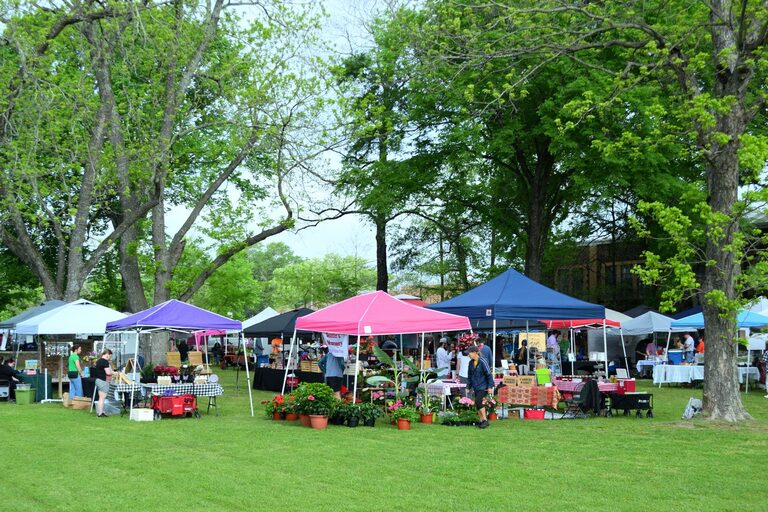
Regional farmers markets are becoming more diverse. Alongside growers selling vegetables, fruit, flowers, and herbs, many markets now feature vendors offering heritage foods. These may include traditional breads, preserved foods, handmade noodles, regional pastries, family recipes, and dishes connected to a particular cultural or agricultural tradition.
The growth of heritage food vendors reflects changing customer interests and the evolving role of farmers markets. Shoppers are not only looking for fresh ingredients. Many also want to learn where food comes from, discover new flavors, and support small businesses with meaningful connections to place and tradition.
What Are Heritage Food Vendors?
Heritage food vendors offer foods rooted in long-standing family, cultural, or regional traditions. Their products may be based on recipes passed down through generations or on older methods of growing, preparing, and preserving food.
Examples can include:
– Traditional breads and pastries
– Regional cheeses and dairy products
– Pickles, jams, and fermented foods
– Handmade pasta, noodles, or dumplings
– Heritage grains and baked goods
– Traditional sauces, spice blends, and seasonings
– Prepared meals based on family recipes
– Foods made from locally grown or historically important ingredients
The term “heritage” can describe many kinds of food traditions. It may refer to a community’s cultural history, an old regional recipe, or a food-making technique that is less common in modern commercial production.
Shoppers Want More Than Basic Ingredients
One reason markets are adding more heritage food vendors is that shoppers are looking for variety. A farmers market can be a place to buy everyday staples, but it can also be a place to try something unfamiliar.
A customer who visits for apples or lettuce may also discover a traditional pastry, a new type of grain, or a jar of sauce made with a family recipe. These products can make a regular market visit more interesting and encourage people to spend more time exploring different stalls.
Heritage foods also offer a sense of connection. A product may tell shoppers about a region, a family, or a community without requiring a long trip or a formal tour. Food becomes a simple and enjoyable way to learn about local history and traditions.
Farmers Markets Offer the Right Setting
Farmers markets are well suited to heritage food vendors because they provide a direct connection between sellers and customers. In a supermarket, shoppers may see a package but have few opportunities to ask questions. At a market, vendors can explain how a product is made, where its ingredients come from, and how it is traditionally served.
This personal interaction benefits both sides. Customers receive useful information, while vendors can explain what makes their products different. They may share serving suggestions, storage tips, or the story behind a recipe.
Markets also create a setting where small producers can test new products. A vendor might offer samples, ask customers for feedback, and adjust recipes or packaging over time. This direct response can be especially valuable for businesses that do not yet have access to large retail outlets.
The Appeal of Traditional Preparation Methods
Many heritage food vendors focus on methods that require time and care. These methods may include hand shaping, slow baking, small-batch cooking, drying, smoking, or preserving seasonal ingredients.
Traditional preparation can provide several benefits:
– It helps preserve food knowledge
– It gives products a distinct character
– It makes use of seasonal or local ingredients
– It creates opportunities for hands-on small business work
– It encourages shoppers to value the process behind a food
These methods do not always mean that a product is better than a modern alternative. Instead, they offer a different experience. Customers may appreciate the texture, flavor, appearance, or story that comes from a less industrial approach.
Supporting Small and Emerging Businesses
Heritage food vendors are often small businesses. Some may operate from shared commercial kitchens, family farms, home-based facilities where permitted, or small storefronts. Farmers markets can provide an accessible way for these businesses to reach customers without the costs of opening a full restaurant or retail location.
Market participation can help vendors:
– Build name recognition
– Develop a loyal customer base
– Learn which products people prefer
– Create relationships with other local businesses
– Earn income from products made in small batches
– Introduce traditional foods to new customers
For some vendors, the market is a starting point. They may later expand into catering, online sales, local stores, or community events. Even when a business remains market-based, regular customer relationships can provide a stable foundation.
Preserving Food Knowledge
Food traditions can be difficult to maintain when fewer people have the time, tools, or opportunity to prepare them. Heritage vendors help keep these traditions visible and active.
A recipe is more likely to continue when people can buy the finished product, ask how it is made, or see the ingredients used in familiar ways. Vendors may also involve family members in preparation, sales, or business operations. This creates opportunities for younger generations to learn skills that might otherwise be overlooked.
Preservation does not require every detail to remain unchanged. Vendors often adapt recipes for new ingredients, dietary preferences, package sizes, or customer tastes. The central tradition may remain recognizable while the product fits modern routines.
Adding Variety to Seasonal Markets
Farmers markets naturally change throughout the year. Produce availability shifts with the seasons, and heritage food vendors can add variety during slower periods.
For example, a market may feature:
– Fruit preserves made during the summer harvest
– Root vegetables and traditional baked goods in the fall
– Dried herbs, grains, and preserved foods during winter
– Fresh breads, early greens, and seasonal treats in the spring
This mix can help markets remain active throughout the year. Customers have more reasons to visit, while vendors can plan products around the local growing calendar.
Heritage foods can also help shoppers use seasonal ingredients in new ways. A traditional sauce may pair with local vegetables, while an older grain may become part of a modern family meal.
Building Community Through Food
Farmers markets are more than places to buy food. They are gathering spaces where neighbors meet, local organizations connect with residents, and visitors learn about the area.
Heritage food vendors contribute to this community role by bringing different experiences and traditions together. Their stalls can encourage conversation between people who might not otherwise meet. A customer may ask about a recipe, share a family cooking idea, or recommend a product to a friend.
Markets may also support heritage vendors through demonstrations, tasting events, cooking classes, and cultural celebrations. These activities make the market more educational and welcoming without taking away from its primary purpose as a place to shop.
What Shoppers Can Expect
Customers who want to explore heritage foods can start with a few simple steps:
- Ask vendors about the history of a product.
- Find out how the food is traditionally served.
- Try a small amount before buying a larger package.
- Look for ingredients grown or produced in the region.
- Return regularly to follow seasonal offerings.
- Share feedback and recommend favorite vendors.
Being curious is often the best approach. A heritage food may be familiar to one shopper and completely new to another. Vendors can help explain the product and suggest easy ways to enjoy it.
A Growing Part of the Market Experience
The increased presence of heritage food vendors shows how regional farmers markets are expanding their role. They remain important sources of fresh local food, but they also offer discovery, education, and support for small businesses.
By combining traditional knowledge with local ingredients and direct customer relationships, heritage vendors add depth to the market experience. Their products give shoppers more choices while helping keep food traditions active in everyday life.
As more customers seek meaningful, varied, and locally connected food experiences, heritage vendors are likely to remain an important part of regional farmers markets.